

Winter months bring cold weather and drier air, which can cause discomfort and dry skin in dogs. For your dog’s comfort and health, we need to pay extra care to their grooming routine during winter, it may seem like a chore but, our pets need just as much attention as we pay to ourselves. Here are some tips on how to go about dog grooming in winter.
I. Brushing & Shedding
A. Regular Brushing
Brushing your dog often is necessary for the winter as it removes loose hair, prevents mats and tangles, and helps distribute natural oils throughout the dog’s coat. Brushing also helps remove any dirt or debris that can cause skin irritations. Try to use a brush that’s appropriate for your dog’s coat type. Long-haired breeds will require a slicker brush, while short-haired breeds can be brushed with a bristle brush. Make sure to brush your dog at least once a week to keep its coat healthy and shiny.
B. De-shedding Tools
Shedding is a natural process for dogs, but it can become excessive in winter. De-shedding tools like the Furminator Undercoat Deshedding Tool can help remove dead hair, while also promoting healthy skin and coat. When using a de-shedding tool, make sure to follow the manufacturer’s instructions, and be gentle with your dog. De-shedding tools should not cause pain or discomfort, so if your dog seems uncomfortable, stop and consult with a veterinarian.
II. Trimming & Cutting
A. Hair Cut for Warmth
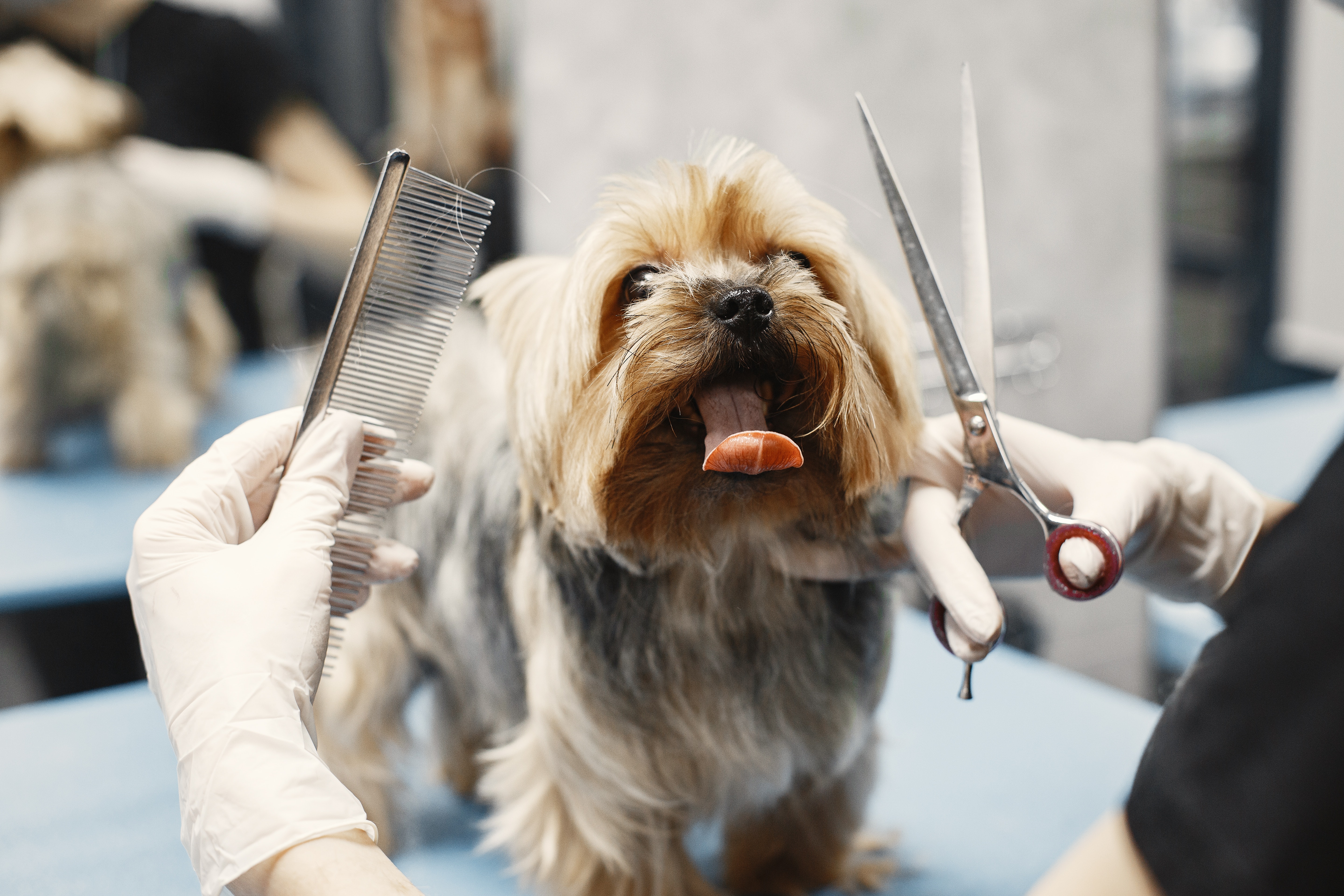
Here’s another tip, when the temperature drops, dogs need a warm coat to protect themselves from the cold. A haircut for warmth can help your dog stay comfortable and cosy during the winter. Long hair can mat and become tangled in the snow, making it difficult for your dog to move around and enjoy the weather. A simple grooming trim can keep your dog’s hair manageable and help trap heat close to its body.
B. Trimming Paws for Protection
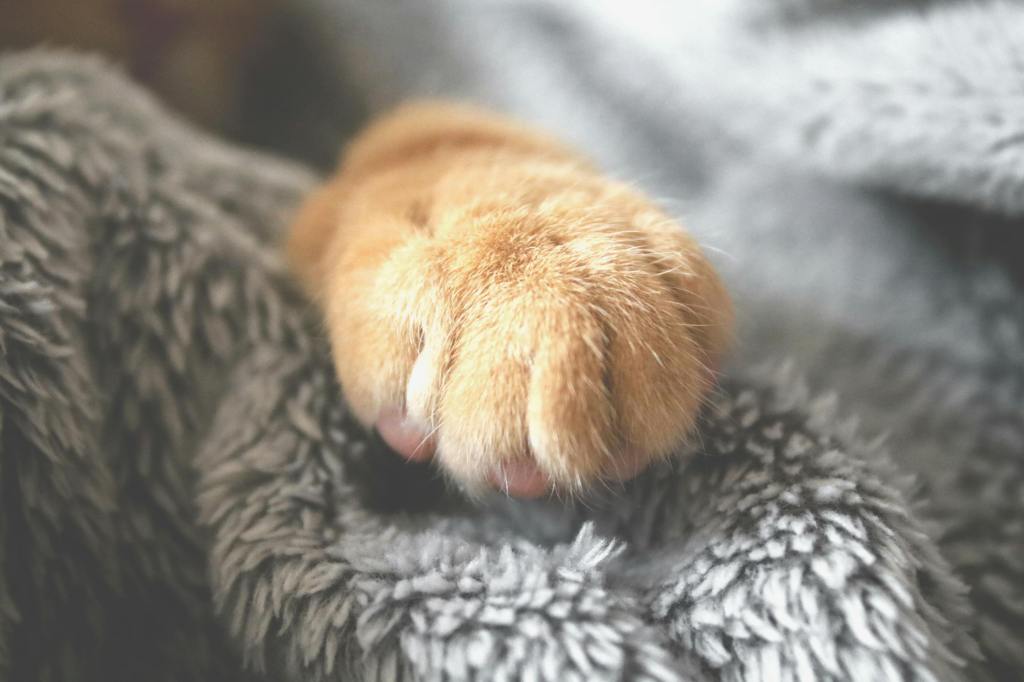
Trimming your dog’s paws is another crucial aspect of dog grooming in winter. Long hair on paws can accumulate snow and ice, causing discomfort and even pain for your pet. Trimming your dog’s paws will also help prevent frostbite and other cold-related injuries. If you are not confident in trimming your dog’s paws, consider consulting a professional groomer.

III. Bathing & Drying
A. Winter Bathing Frequency
Winter can be harsh on your dog’s skin, and excessive bathing can worsen the situation as the water and soap remove the natural oils that keep their skin moisturized and healthy. During winter, reduce the frequency of bathing to prevent dry and itchy skin. A good rule of thumb is to bathe your dog once every four to six weeks, or as needed.
If your dog has gotten dirty, you can use a damp cloth to clean them instead of giving them a full bath. If your dog’s skin, fur or hair looks dehydrated, some coconut oil will work on that. It adds moisture to the skin of your dog and prevents it from flaking. It also helps to refresh a dog’s coat when applied lightly. Rub a small amount onto your hands before gently patting the coat, running your fingers through the fur, and massaging a little down onto the dog’s skin.
B. Drying Techniques for Winter
After a bath, dry your dog thoroughly to prevent them from getting cold. A warm towel or a blow dryer set on low can be used to dry your dog’s coat, but be careful not to blow hot air directly on their skin, as this can irritate them. You can start by gently patting your dog’s coat with a warm towel, focusing on their feet and legs, where they are most likely to get cold faster. If you’re using a blow dryer, hold it at a distance and keep the airflow moving to prevent overheating. Remember, be gentle and patient, especially if your dog is sensitive to noise or has never experienced a blow dryer before.



 ThePetRealm
Leave a comment