

Our pets are dear to us, and we want to keep them safe and healthy but even in our household, there are items which are dangerous for our pets to get into. Here are 10 household items which can be toxic to our pets.
1. Chocolate
A very popular household item which is eaten by humans but it is dangerous to dogs. Dark chocolate and baker’s chocolate actually contain higher levels of theobromine than milk chocolate. It is toxic in dogs when taken in large quantities due to their slower metabolisms.

Symptoms of chocolate toxicity in dogs can range from mild to severe, mild symptoms can be vomiting and diarrhoea and severe symptoms may include seizures, heart arrhythmias and even death. These symptoms may not show up right away but develop over hours to days
2. Alcohol
Even in small amounts, alcohol is toxic to pets and can be viewed as animal abuse if done intentionally. It can cause severe problems for pets especially smaller animals such as dogs and cats.
As we well know, pets get into things, so it is important to make sure to keep any items containing alcohol out of reach as the smell of alcohol is attractive to them.

A few common symptoms of alcohol toxicity in pets include vomiting, diarrhoea, lethargy, difficulty breathing, and seizures.
3. Onions, leeks, chives, and garlic
These items are used in most human dishes, but these ingredients can be toxic to dogs and other pets. They contain compounds that are harmful to dogs and can cause their red blood cells to rupture. As a result, pets can develop anaemia – a condition where there is a decrease in the number of red blood cells.

Raw onions and garlic are more toxic than cooked as cooking can break down some of the toxins. However, even cooked onions and garlic should be avoided when feeding pets as they still contain enough toxins to be harmful. In general, it’s best to stick with a balanced diet formulated specifically for your pet.
Some symptoms of anaemia include weakness, lethargy, pale gums, and difficulty breathing. In severe cases, pets may experience collapse, seizures, or even death.
4. Grapes and raisins
Dogs are generally considered to be man’s best friend, but when it comes to certain foods, they can be sensitive or even allergic. One food that dog owners need to be particularly careful with is grapes and raisins.
While the reasons behind their toxicity to dogs are not fully understood, these fruits have been linked to cases of kidney failure in some canines.
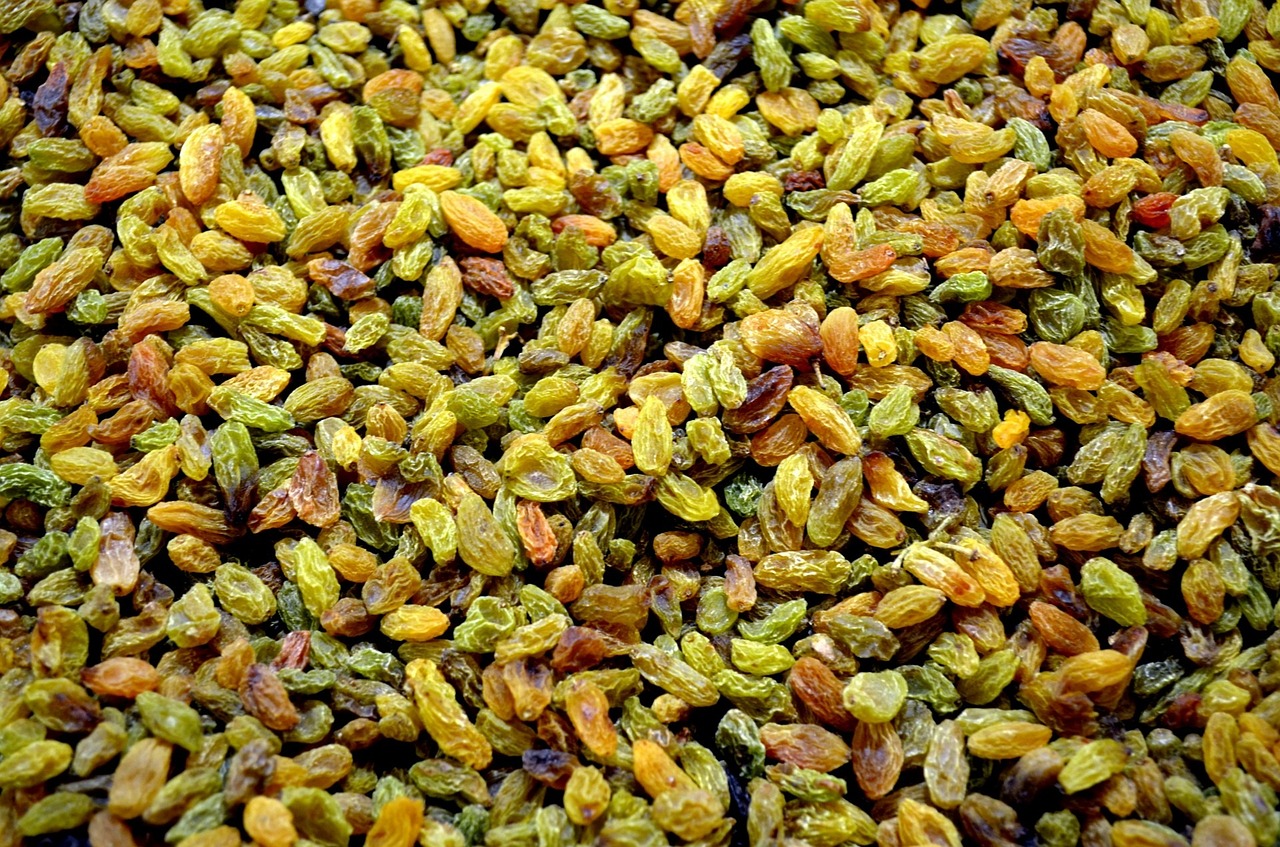
Experts speculate that there may be a toxin present in the skin or flesh of these fruits that can cause harm or that it might be due to their high sugar content. Regardless of the cause, it is crucial for pet owners to keep grapes and raisins away.
Regardless of the exact cause, it’s important to be aware of the potential dangers of grapes and raisins for dogs. Even a small amount of these fruits can be toxic, and the symptoms of toxicity can appear within hours of ingestion. Symptoms of grape or raisin toxicity in dogs may include vomiting, diarrhoea, lethargy, and decreased appetite. In more severe cases, dogs may experience dehydration, abdominal pain, and even kidney failure.
5. Lilies
Lilies are often a favourite among gardeners for their elegant and fragrant blooms, but did you know that they can be highly toxic to cats?
All parts of the lily plant, including the leaves, stems, and even the pollen, can be dangerous if ingested by your feline friend.
Lily toxicity in cats can cause a range of symptoms, including vomiting, lethargy, loss of appetite, and even kidney failure. If left untreated, kidney failure can be fatal, so it’s important to seek veterinary care immediately if you suspect that your cat has ingested any part of a lily plant.

Unfortunately, cats are often drawn to the beautiful fragrance and texture of lilies, which makes them particularly susceptible to lily toxicity. As a pet owner, it’s important to be aware of the risks and take steps to keep lilies out of your cat’s reach.
If you have indoor or outdoor lilies, make sure to keep them in a location that your cat cannot access. This may mean placing them on a high shelf or in a room that your cat does not have access to. It’s also a good idea to talk to your neighbours if they have lilies growing in their garden, as curious cats may wander into neighbouring yards.
If you’re unsure whether a plant is toxic to your cat, it’s best to err on the side of caution and assume it is. There are many cat-friendly plants that you can choose from, such as catnip, cat grass, and spider plants.
6. Ibuprofen and other human medications
Many human medications, including ibuprofen, can be toxic to pets if ingested.
It’s important to note that even medications that are safe for humans can be toxic to pets. For example, acetaminophen, which is commonly used to relieve pain and reduce fever in humans, can be deadly to cats even in small doses. It can cause liver failure and damage to red blood cells, leading to anaemia. In dogs, acetaminophen can cause damage to the liver and kidneys, as well as vomiting, diarrhoea, and difficulty breathing.

Ibuprofen is another medication that can be dangerous for pets. It can cause stomach ulcers and kidney failure in both cats and dogs. Even a small amount of ibuprofen can be deadly for some pets, so it’s important to keep all medications out of reach.
It’s also worth noting that some pet owners may be tempted to give their pets human medications in an attempt to relieve pain or discomfort. However, this is never a good idea without consulting with a veterinarian first. Many human medications can be toxic to pets, and pets may require a different dosage or a different medication altogether.
7. Cleaning products
Household cleaning products are essential for maintaining a clean and healthy home, but they can also harm our pets. Many cleaning products contain harsh chemicals that can be harmful to pets if ingested or inhaled. In fact, according to the ASPCA, cleaning products are one of the top ten pet toxins.
It’s important to keep cleaning products out of the reach of pets and to make sure that they are stored securely. The signs of toxicity can include vomiting, diarrhoea, lethargy, and difficulty breathing.
But preventing accidental ingestion is only part of the equation. It’s also important to use pet-safe cleaning products whenever possible. Fortunately, there are many pet-friendly cleaning products on the market today that is free of harsh chemicals and safe for pets.

When shopping for cleaning products, look for labels that indicate that the product is safe for pets. Avoid products that contain bleach, ammonia, or other harsh chemicals, as these can be dangerous if ingested or inhaled. Instead, opt for natural cleaning solutions, such as vinegar and baking soda, which are safe and effective for cleaning a variety of surfaces.
It’s also important to ventilate the area after using cleaning products. This will help to reduce the risk of inhalation and ensure that the area is safe for your pet to be in.
8. Antifreeze
Antifreeze is a commonly used liquid in automobiles that contains ethylene glycol, a highly toxic substance that can cause kidney failure in pets. The sweet taste of antifreeze can be tempting to animals, especially cats and dogs, making it extremely dangerous if ingested. Even small amounts of antifreeze can be deadly, so it’s important to store it securely and clean up any spills immediately.
Antifreeze can be found in other household products, such as some types of paint and snow globes.
Some companies use propylene glycol as an alternative to ethylene glycol in antifreeze products, which is less toxic to pets but can still cause irritation and other health problems if ingested. It’s important to read product labels carefully and keep any product that contains antifreeze or propylene glycol out of reach of pets.

Symptoms of antifreeze toxicity can include vomiting, diarrhoea, seizures, and lethargy, and can progress quickly if left untreated. In some cases, kidney failure can occur within just a few hours of ingestion.
In addition to storing antifreeze securely and cleaning up any spills, there are other steps you can take to prevent accidental ingestion of this toxic substance. For example, consider using alternative products that don’t contain antifreeze, such as non-toxic engine coolants. If you do use products that contain antifreeze, make sure to dispose of them properly and keep them out of reach of pets. Finally, make sure to educate yourself on the signs and symptoms of antifreeze toxicity so that you can act quickly if necessary.
9. Xylitol
Next on our list of the most dangerous household items for pets is xylitol. This artificial sweetener is commonly found in sugar-free gum, candy, and other products, and can be highly toxic to dogs. In fact, according to the ASPCA Animal Poison Control Center, xylitol is one of the top 10 toxins for dogs.
Xylitol is a sugar alcohol that is safe for human consumption in small amounts. However, it can cause a rapid and dangerous drop in blood sugar in dogs, leading to seizures, liver failure, and even death.
This is because xylitol stimulates the release of insulin in the pancreas, which causes a sudden and dangerous drop in blood sugar levels in dogs.
What’s even more concerning is that xylitol is becoming increasingly common in many household products. In addition to gum and candy, it can be found in some peanut butter, toothpaste, and other products. This means that pet owners need to be especially vigilant when it comes to keeping these items out of reach.
The good news is that xylitol toxicity is completely preventable. By checking the ingredients of any products before giving them to your dog, you can ensure that they are safe for consumption.
In addition to being toxic to dogs, xylitol can also be harmful to other pets, such as cats and ferrets.
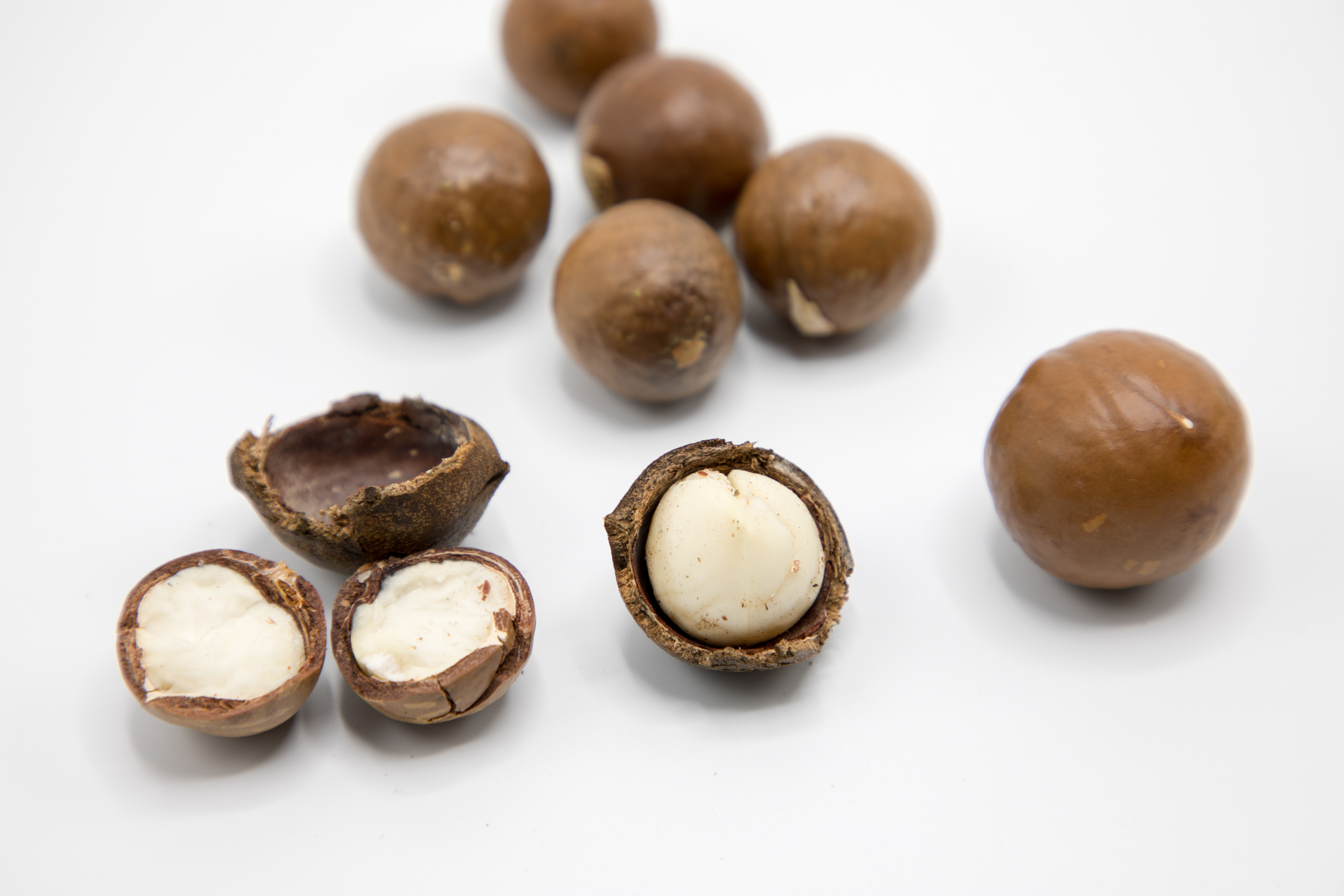
10. Macadamia Nuts
While most nuts are harmless to pets, macadamia nuts can be toxic to dogs. Macadamia nut toxicity is a lesser-known danger that many pet owners are not aware of.
Macadamia nuts are commonly found in cookies and other baked goods, as well as in trail mix and some types of chocolate.
While the exact cause of macadamia nut toxicity is not yet fully understood, it is believed to be due to a combination of factors, including the high-fat content of the nuts and a yet-to-be-identified toxin.
In most cases, dogs recover from macadamia nut toxicity with supportive care, such as IV fluids and anti-nausea medication. However, in severe cases, macadamia nut toxicity can lead to muscle weakness, paralysis, and even death.
So how can you prevent macadamia nut toxicity in your pets?
The first step is to be aware of the foods that contain macadamia nuts and to keep them out of reach of your pets.
This includes cookies, brownies, and other baked goods that may contain macadamia nuts. If you’re unsure whether a food item contains macadamia nuts, it’s best to err on the side of caution and keep it away from your pets.
It’s also important to keep an eye on your pets when you’re snacking or baking. Dogs are notorious for their ability to sniff out food, so it’s important to keep all food items securely stored away.
In addition to being toxic to dogs, macadamia nuts can also pose a choking hazard to pets. The hard, smooth surface of the nuts can get lodged in a pet’s throat or intestines, leading to serious health problems. This is another reason why it’s important to keep macadamia nuts and other small, hard foods out of reach of your pets.
While prevention is the best medicine when it comes to pet toxicity, accidents can happen, and it’s important to be prepared.
By educating yourself on the common household items that can be toxic to pets, you can take steps to prevent accidental ingestion and ensure that your pets stay happy and healthy.
If you do suspect that your pet has ingested something toxic, don’t hesitate to seek veterinary care. Remember, time is of the essence when it comes to treating toxicity, and early intervention can make all the difference in your pet’s outcome.



 ThePetRealm
Leave a comment