

The summers seem to be getting hotter and hotter, I know I didn’t want to step out this summer for any reason especially when the sun was fully perched in the sky. But then again, summer is the best time to enjoy walks and play time with your dogs. This is why it is necessary to ensure they stay safe and do not overheat.
Let’s check out 5 ways to ensure your dog stays frosty this summer and also how to know your pet is showing signs of having a heat stroke.

Table of Contents
- Provide Ample Hydration
- Provide Shade
- Cooling Supplies
- Regular Grooming
- No Hot Cars
- Signs Your Dog is Having a Heat Stroke
- Actions to Take if Your Dog is Having a Heat Stroke
Provide Ample Hydration: Just like humans, dogs need a steady supply of water to stay hydrated and regulate their body temperature. Make sure to keep multiple water bowls filled with fresh, cool water both indoors and outdoors. When you’re heading out for walks or outdoor activities, carry a portable water container to keep your dog hydrated on the go. You may also make some DIY frozem treats for your dog, if you have a freezer and are into such things, they are fairly easy to make.
Provide Shade: If you get caught outside when the sun is at its peak, either cool off under natures umbrella (trees) and make sure you set up spots around the house in the yard with cover from direct sunlight where your dog can cool off.

Cooling Supplies: Sometimes, the heat might be so intense that even the air is thick and heavy, you know when the air conditioner seems to be broken even though its at its coolest? This is when we have to bring out the big guns for out dogs. Consider purchasing a cooling vest or mat designed to help regulate your dog’s body heat. These accessories use innovative technology to provide relief and comfort.
Regular Grooming: this also helps to keep your dog’s coat clean and well-maintained. Some breeds may benefit from a summer trim to remove excess fur and promote airflow.
Remember that each dog is unique, and their preferences for cooling methods may vary. Observe your dog’s behavior and comfort level to determine which cooling accessories or methods work best for them.
No Hot Cars: Do not leave a baby in a car, do not leave your pets in a car not even for a few minutes. This is a universal code, learn it, adopt it! The heat in those things is life threatning. I hate getting into my car after being locked up under the hot son, I’m unable to breathe and start sweating like crazy, now imagine being locked up , not an option.
According to the American Veterinary Association, “Even on a 70-degree day, that’s 110 degrees inside your vehicle! Your vehicle can quickly reach a temperature that puts your pet at risk of serious illness and even death, even on a day that doesn’t seem hot to you. And cracking the windows makes no difference.”
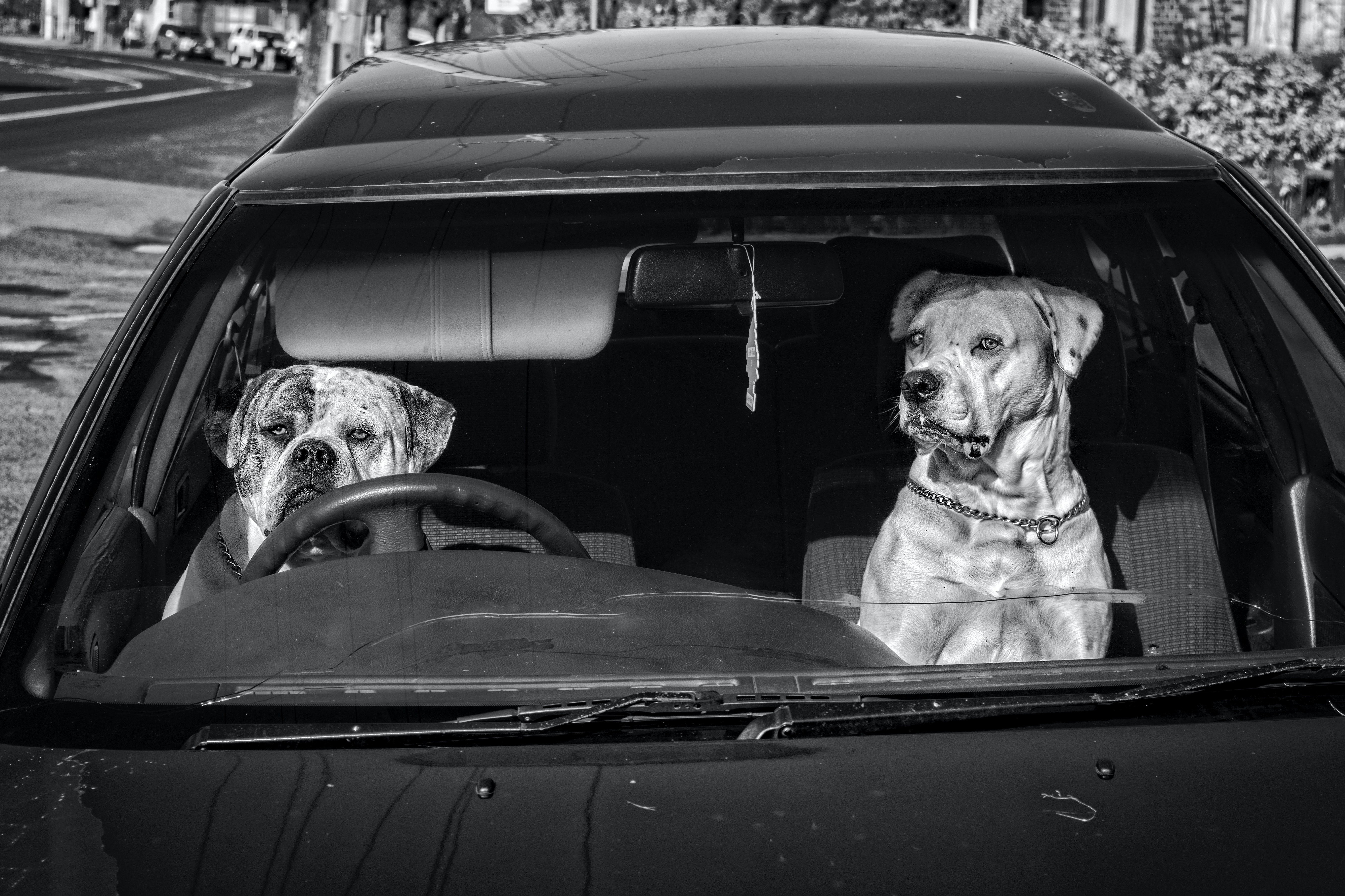
Please leave your pets at home when running errands.
Signs Your Dog is Having a Heat Stroke
- Excessive Panting: Rapid and heavy panting is often the first sign of heatstroke. If your dog’s breathing becomes labored and they can’t seem to catch their breath, it’s a cause for concern.
- Drooling: Excessive drooling, more than usual, can indicate that your dog is struggling to regulate their body temperature.
- Increased Heart Rate: If you notice your dog’s heart rate is significantly faster than normal, it could be a sign of heatstroke.
- Bright Red Gums and Tongue: A dog’s gums and tongue turning bright red is an indication that they’re overheated.
- Vomiting or Diarrhea: Heatstroke can lead to vomiting and diarrhea, which can further dehydrate your dog.
- Weakness or Collapse: If your dog appears weak, lethargic, or collapses, it’s a serious sign that their body is under distress.
- Stumbling or Incoordination: Heatstroke can affect a dog’s coordination and balance, causing them to stumble or have difficulty walking.
- Seizures: In severe cases, heatstroke can lead to seizures, tremors, or convulsions.
- Glazed Eyes: If your dog’s eyes appear glazed or unfocused, it could indicate they’re in distress.
- Excessive Lethargy: If your dog seems extremely tired or unwilling to move, it’s a sign that they may be suffering from heatstroke.
- Seeking Cool Places: If your dog is continuously trying to find cooler spots or lying spread-eagled on cool surfaces, they’re likely trying to regulate their body temperature.
If you suspect your dog is experiencing heatstroke, it’s crucial to take immediate action:
- Move to a Cool Area: Get your dog to a shaded or air-conditioned area.
- Offer Water: Provide cool, not cold, water for your dog to drink.
- Cooling Methods: Use cool (not cold) water to wet your dog’s body, especially their paw pads and head. Use a fan or air conditioning to help cool them down.
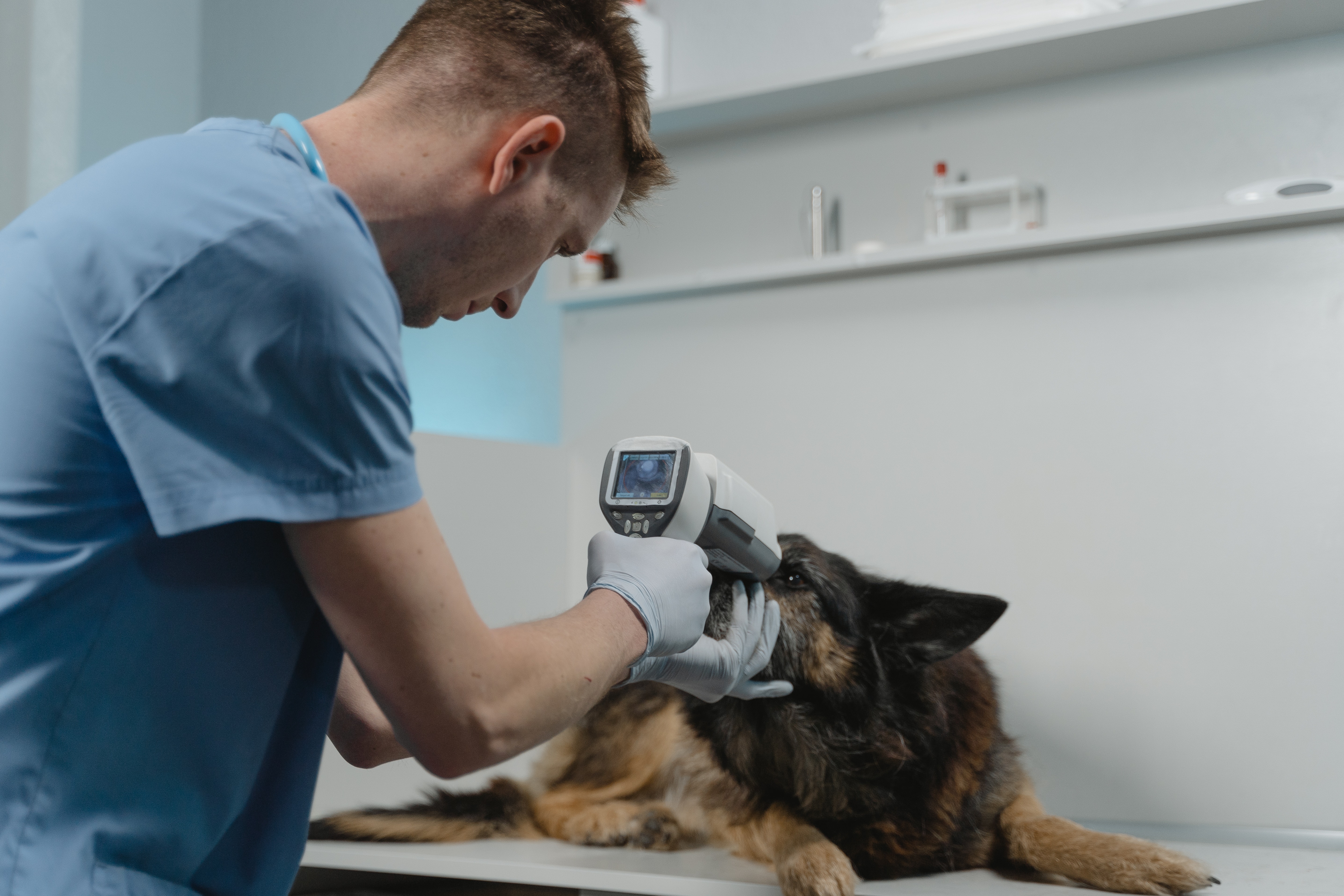
- Contact a Veterinarian: Even if your dog seems to recover, it’s best to seek veterinary care to ensure there are no underlying complications.



 ThePetRealm
Leave a comment